What Are Asexual Reproduction Dna Replication Definition Types Examples & Diagram
Dive Right In what are asexual reproduction exclusive digital media. Complimentary access on our content hub. Step into in a great variety of clips provided in excellent clarity, suited for superior watching buffs. With trending videos, you’ll always have the latest info. Locate what are asexual reproduction expertly chosen streaming in incredible detail for a genuinely gripping time. Get involved with our media center today to witness exclusive premium content with 100% free, without a subscription. Get frequent new content and delve into an ocean of specialized creator content conceptualized for superior media aficionados. Be sure to check out never-before-seen footage—save it to your device instantly! Get the premium experience of what are asexual reproduction visionary original content with amazing visuals and exclusive picks.
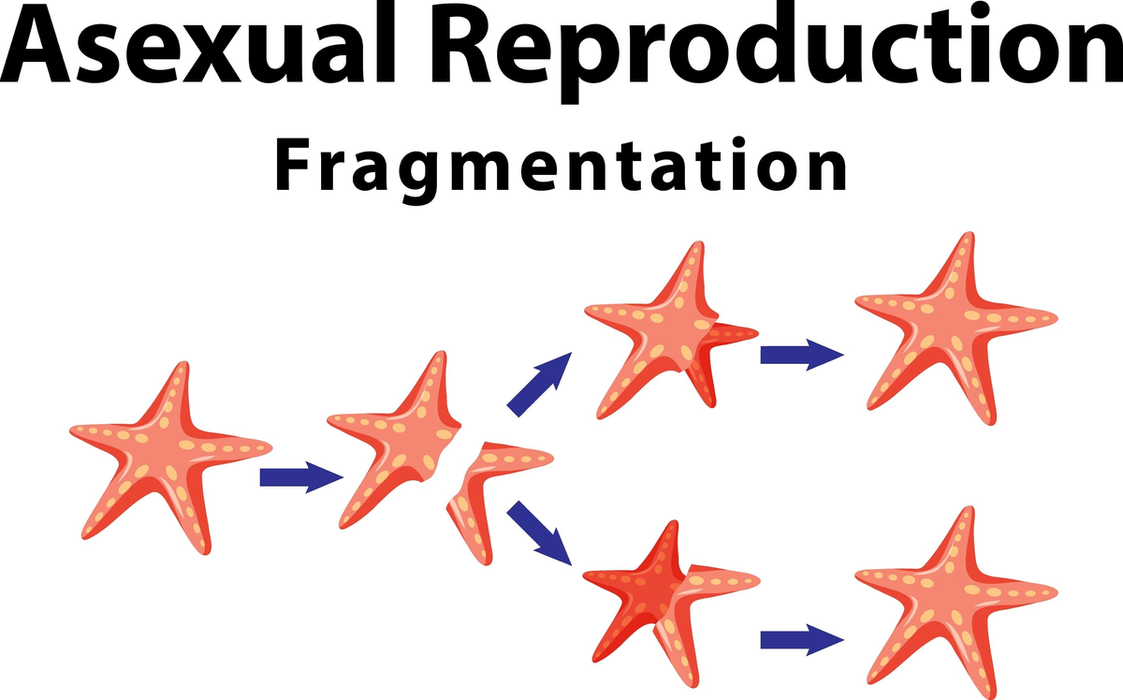
Asexual reproduction is a mode of reproduction where offspring are produced by a single parent without the need for fertilization or the exchange of genetic material. In sexual reproduction, genetic material from two parents is combined through the fusion of gametes—sperm and egg—resulting in offspring that are genetically unique. Asexual reproduction generates offspring that are genetically identical to a single parent
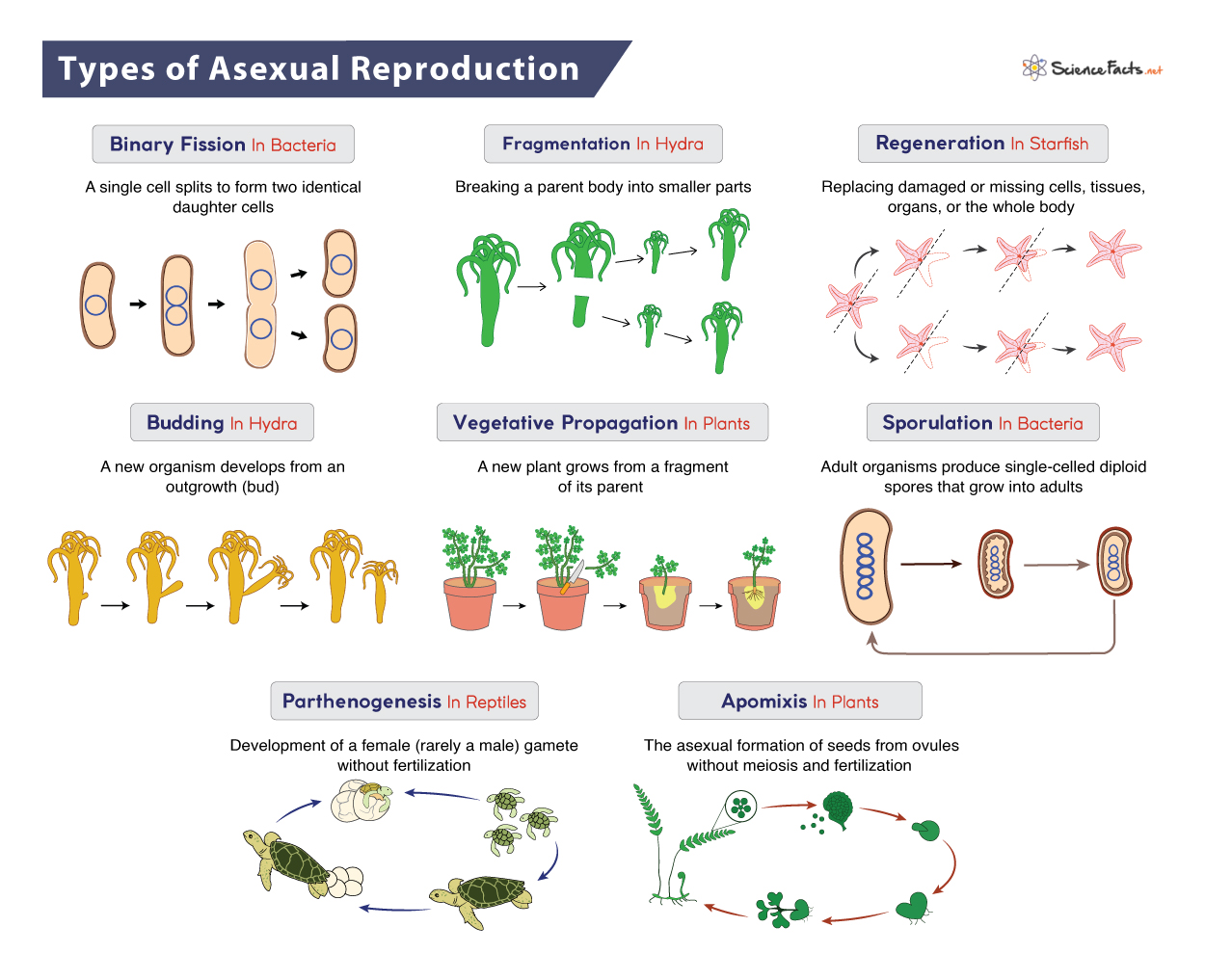
Asexual Reproduction: Types, Examples and Advantages
In sexual reproduction, two parents contribute genetic information to produce unique offspring. To grasp the significance of asexual reproduction, it is essential to understand what it means in contrast to sexual reproduction Asexual reproduction is a fundamental biological process through which a single organism produces offspring without the involvement of gamete fusion, or genetic exchange between two parents.
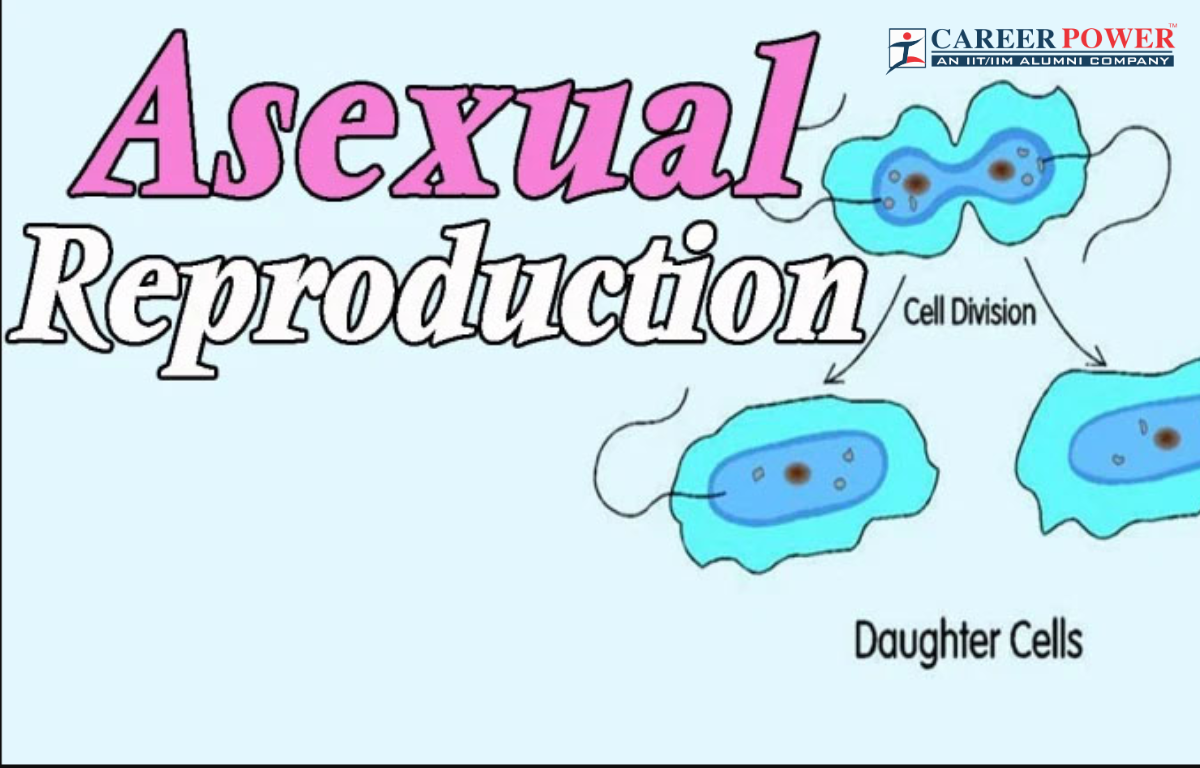
Asexual reproduction is the type of reproduction where offspring are produced without the fusion of male and female gametes
It is a reproduction process where only one individual makes its progeny without exchanging genetic material with another individual. Asexual reproduction, at its core, involves the generation of new organisms from a single parent This process stands in stark contrast to sexual reproduction, which necessitates the fusion of haploid gametes (sperm and egg) from two parents to form a diploid zygote. Asexual reproduction is a mode of reproduction in which a new offspring is produced by a single parent
The new individuals produced are genetically and physically identical to each other, i.e., they are the clones of their parents Asexual reproduction is observed in both multicellular and unicellular organisms.