Normal Leak On Ventilator Schematic Diagram Cnecti Of Mask Valve And Tube
Start Streaming normal leak on ventilator curated webcast. No wallet needed on our content platform. Get lost in in a universe of content of documentaries on offer in unmatched quality, excellent for first-class watching connoisseurs. With brand-new content, you’ll always be in the know. stumble upon normal leak on ventilator recommended streaming in high-fidelity visuals for a totally unforgettable journey. Get into our community today to experience exclusive premium content with zero payment required, no need to subscribe. Enjoy regular updates and navigate a world of rare creative works built for superior media admirers. Seize the opportunity for unseen videos—rapidly download now! Explore the pinnacle of normal leak on ventilator visionary original content with true-to-life colors and exclusive picks.
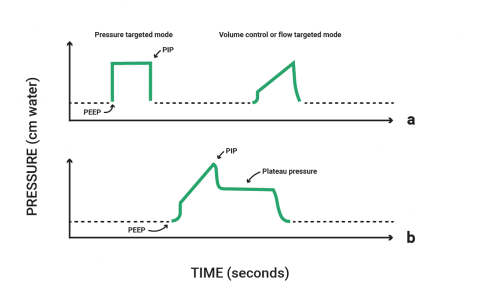
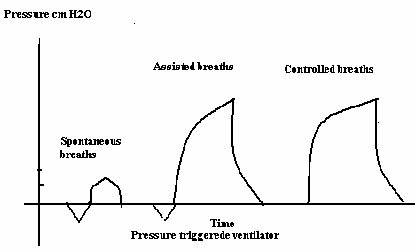
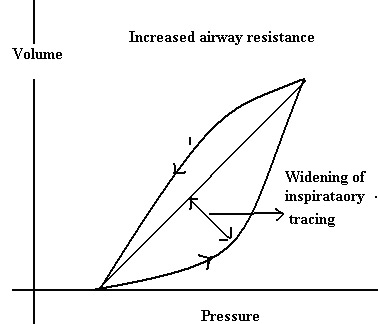
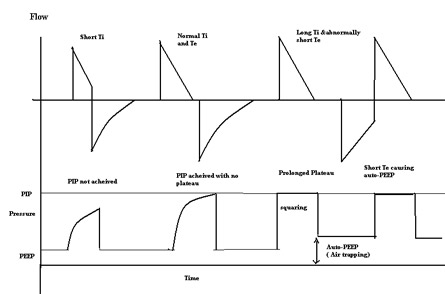
Learn how ventilator waveforms and graphics work, including scalars and loops used to monitor patients during mechanical ventilation. All newer mechanical ventilators are equipped with a graphic package that displays selected ventilator waveforms facilitating assessment of the patient's condition In this video, we cover how to detect an air leak on a ventilator and understand the maximum compensation alarm
Mechanical ventilation of a noninvasive ventilator through a leak valve
Learn to recognize key signs of air leaks. Introduction ventilator graphics have become an essential tool in managing patients on mechanical ventilators Other ventilator problems low exhaled volume
Check for cuff leak, bronchopleural fistula, and low flow rate
Check for change in the patient's clinical status (pain, fever, etc.) Draw abg to assess for need to increase set rate or tidal volume Check for hyperventilation (neurogenic, agitation, incorrect vent settings), hypermetabolic. The most common asynchrony during invasive ventilation is missed trigger
• ventilator waveform analysis can be an invaluable tool in monitoring and troubleshooting the ventilator patient • inspection of ventilator waveforms can be crucial in recognizing system leaks, the need for suctioning, and changes in respiratory mechanics Ventilator waveforms and loops are part of the standard monitoring package for all icu ventilators but understanding what is being displayed can sometimes be difficult This article will provide a look at many of the basic ventilator settings and examine how various waveforms and loops can be used to evaluate the effectiveness of mechanical ventilation in supporting the patient
This handy reference guide provides critical patient care essentials, tips for troubleshooting ventilator alarms, and potential complications.
This comes up a lot, being a part of the the bread and butter routine of icu management Saqs which have required the analysis of ventilator waveforms include the following Question 21.1 from the first paper of 2014 (gas trapping and bronchospasm) question 5.1 from the first paper of 2012 (gurgling secretions in trachea) question 27 from the second paper of 2009 (bronchospasm) question 26.1. An approach towards testing for cuff leak and management is shown below, based on consensus guidelines
(27762595) this algorithm represents a compromise between the cowboy approach (ignoring cuff leak and immediately extubating) vs The ventilator continuously does this Theoretically gives the advantages of both pressure control and volume control in that you guarantee a minute ventilation like volume control but also deliver the breath with a decelerating waveform like pressure control. The ventilator the model 203 life pulse high frequency ventilator, (bunnell, inc
Salt lake city, utah, u.s.a.) was granted premarket approval by the fda in 1988 for the clinical use of high frequency jet ventilation (hfjv) for the treatment of rds complicated by pulmonary air leaks
Additionally, the hfjv has been used frequently for conditions with high risk of air leaks, such as lung. These troubleshooting techniques were written based off documentation for a ventilator running software version 2.0.x and may not work for other software versions. Managing mechanical ventilation and ventilator graphics is an area of intensivist However, as pediatric residents, we often see mechanically ventilated patients & many of us are involved in ventilation monitoring directly
This helped me to understand and remember the ventilator graphics, especially. Is your bathroom fan leaking water We'll help you figure out the source of the issue and determine how to fix it (or when to call a pro). The latter situation is more likely when there is a significant tube leak (despite tube compensation) (bernstein et al
1995), or with condensed water collecting in the ventilator tubing, and can lead to very significant hyperventilation particularly in ac mode.
The tube may need to be connected to a breathing machine (ventilator) that provides a mixture of gases for life support Patients on ventilators can speak if the tracheostomy tube allows flow through the larynx (voice box) and vocal cords However, the speech patterns of ventilator users can be challenging to hear and understand. He ventilation mode set on the ventilator
Only the course of the flow in the expiratory phase permits conclusions to be drawn as to overall resistance in normal clinical practice constant flow and decelerating flow have become established as the standard forms for ventilator control. Ventilation rates should be sufficient to dilute hydrogen leaks to less than 25% of the lfl Which is about 1% by volume in air Where passive ventilation is used, inlet openings should be located at floor level in exterior walls

Outlet openings should be located at the high point of the room in exterior walls or in the roof
Inlet and outlet openings should have a minimum total area of 0.003. Note that the integrated air flow curves during inspiration and expiration are equal In contrast to normal ventilation, a patient with a stable 20% pneumothorax will show decreased absolute lung volumes, diminished air flow, and elevated pleural pressures (figure 2, b) Tidal volumes might be low because of elevated lung resistance and elastance.