Normal Leak On Ventilator Schematic Diagram Cnecti Of Mask Valve And Tube
Start Streaming normal leak on ventilator deluxe online playback. Without any fees on our content hub. Become absorbed in in a enormous collection of shows on offer in premium quality, flawless for prime watching devotees. With the newest drops, you’ll always stay in the loop. Watch normal leak on ventilator selected streaming in incredible detail for a deeply engaging spectacle. Access our viewing community today to experience subscriber-only media with no payment needed, no commitment. Experience new uploads regularly and browse a massive selection of uncommon filmmaker media designed for select media admirers. Be sure not to miss special videos—start your fast download! Treat yourself to the best of normal leak on ventilator visionary original content with brilliant quality and featured choices.
Other ventilator problems low exhaled volume Therefore, applying effective strategies to. Check for cuff leak, bronchopleural fistula, and low flow rate
Mechanical ventilation of a noninvasive ventilator through a leak valve
Check for change in the patient's clinical status (pain, fever, etc.) However, the efficacy and safety of this intervention can be compromised by gas leakage, which occurs when anesthetic or medical gases unintentionally escape from the ventilation system or anesthesia equipment Draw abg to assess for need to increase set rate or tidal volume
Check for hyperventilation (neurogenic, agitation, incorrect vent settings), hypermetabolic.
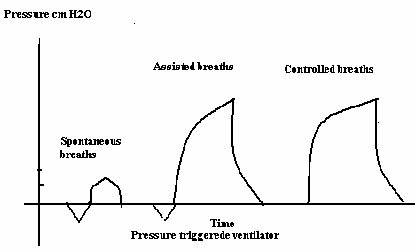
In this video, we cover how to detect an air leak on a ventilator and understand the maximum compensation alarm Learn to recognize key signs of air leaks. Explore ventilator troubleshooting and problems encountered during mechanical ventilation, including strategies for effective management. The most common asynchrony during invasive ventilation is missed trigger
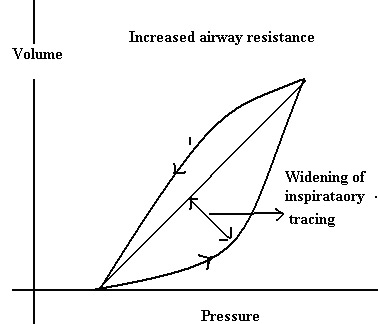
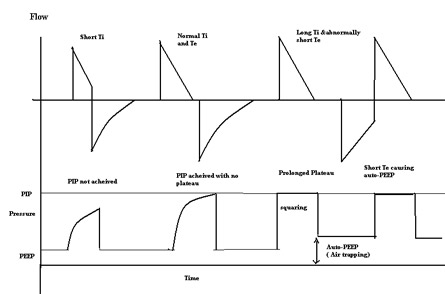
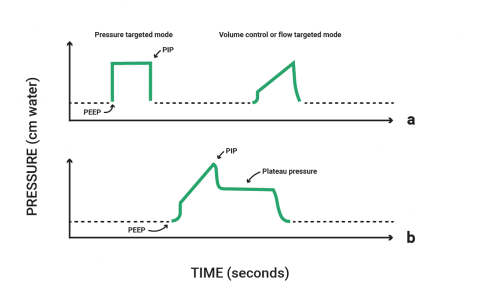
Knowledge of ventilator waveforms is important for clinicians working with children requiring mechanical ventilation This review covers the basics of how to interpret and use data from ventilator waveforms in the pediatric intensive care unit. The pathogenesis, diagnosis, and management of apf in nonventilated patients and the management of bronchopleural fistulas [4,5] are discussed separately. Understanding ventilator settings, alarms, and monitoring values is crucial for safe patient management in icu and critical care settings
Ventilator alarms alarms signal abnormal conditions that require immediate attention
Low pressure (low tidal volume) alarm mnemonic Assess for failure of sat/sbt ensure no other barriers to extubanon secre]ons < q3h and normal mental status if ams